
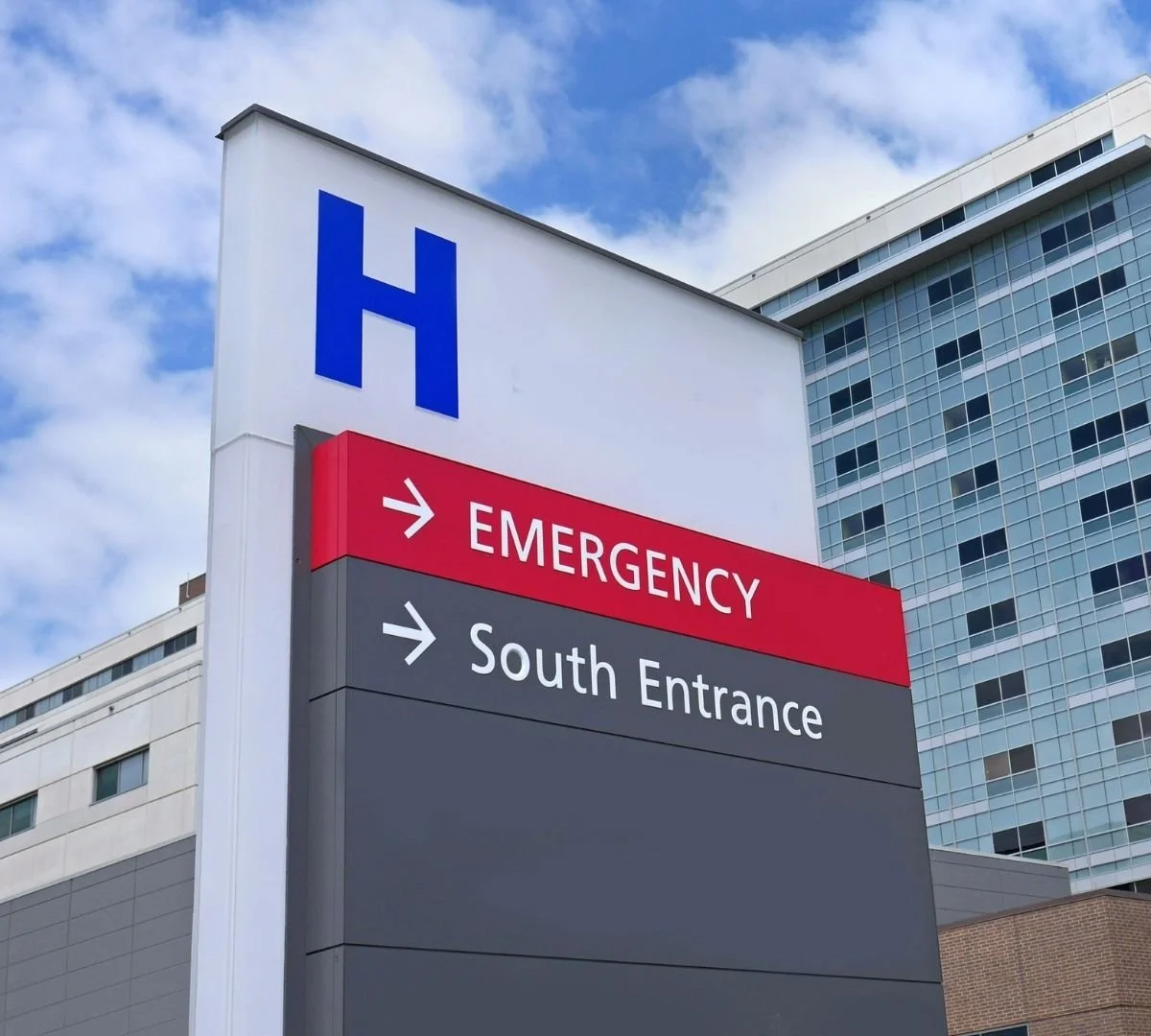
Hospitals
Safer care starts with a safer environment.
What Success Looks Like in Hospitals
A safer care environment, because critical tasks are executed consistently and exceptions are handled fast.
Fewer preventable hazards in patient-care areas because checks happen on time
Faster response to failures that can compromise safe care (power, environment, life safety, and sanitation readiness)
Reliable shift-to-shift execution across units, buildings, and service teams
Clear accountability when something is missed, so gaps don’t reach patients
Leadership has real-time visibility into readiness and risk across the hospital

The Operational Roadblocks
Why indirect patient safety breaks down in hospitals.
Overworked teams and staffing gaps mean “important but not urgent” checks get squeezed
Patient safety relies on many non-clinical teams (facilities, EVS, security, vendors) working in sync, often without a shared system
Distributed risk across thousands of spaces and assets (units, basements, rooftops, secure rooms) makes consistency hard
Shift handoffs create blind spots, leading to duplicate work in some areas and missed work in others
Paper and fragmented tools add admin burden and delay exception escalation
Proof is hardest to find when it matters most, audits, investigations, or after an incident

How Command Center Solves It
Closed-loop execution that reduces risk in the physical environment surrounding patients.
Standardize safety-critical routines by unit/zone/asset so the right work happens the same way every time
Capture real-time proof (who/when/where + notes/photos) to make execution defensible
Trigger immediate escalation when something fails or is missed, so issues are addressed before they impact care
Provide a live readiness view so leaders can manage risk by exception across the hospital
Improve contractor accountability with verified closeout, not “it was done”

Common Hospital Workflows
Life
Safety
(fire doors clear, emergency lighting tests, extinguisher inspections)
Emergency
Power
(generator checks, ATS status, fuel levels, weekly run logs)
Environmental Conditions
(OR/sterile temp & humidity logs, refrigeration checks, out-of-range escalation)
Infection Prevention
(hand hygiene stations stocked, high-touch cleaning verification, isolation cart readiness)
Medical Gas & Utility
(alarm panel checks, zone valve area checks, manifold room rounds)
Vendor & Work Verification
(life safety inspections, elevator service, HVAC PM, remediation closeout)
A Day in the Life, Transformed
What it looks like when execution is visible and measurable.
Teams start with a prioritized set of safety-critical rounds, by unit and risk level
Checks are completed quickly on mobile while staff are already moving through the facility
Exceptions trigger immediate follow-up to the right team with clear ownership and timestamps
Supervisors and safety leaders see readiness live across units, before issues cascade to patient care
Shift handoffs are cleaner: what’s done, what’s outstanding, what’s escalated
When compliance, risk, or leadership needs evidence, it’s instantly available and audit-ready

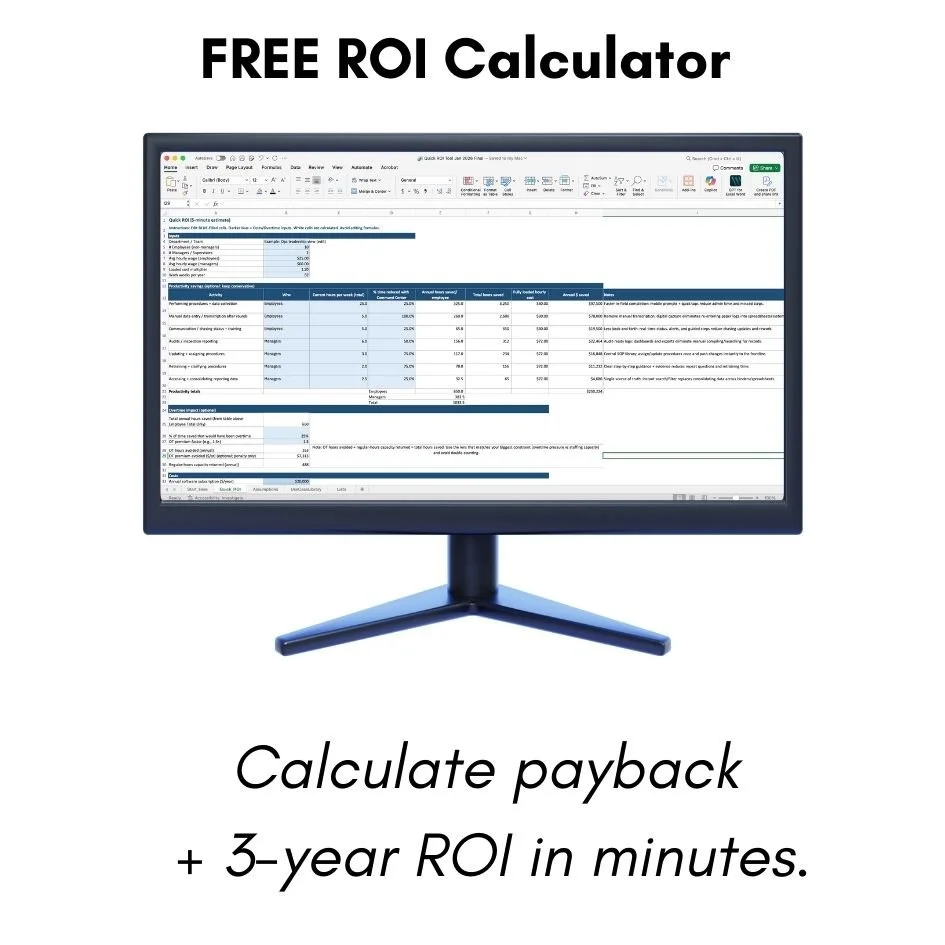
FREE ROI Calculator
Built from real-world safety + operational audit workflows.
Turn frontline routines into a business case. Estimate annual benefit (labor + risk), payback, and 3-year ROI in minutes, using assumptions you can tailor to your site.
Have Questions? Want a Quote? Looking for a Consultation?
Fill out the form to reach out!
Get In Touch
Email: info@zendelity.com
Phone: 613-369-4330
Suite 202, 308 Legget Drive,
Kanata, ONT, K2K 1Y6